

Is satellite TV still interesting in 2025? A complete guide
With the growth of streaming services, smart TVs, and online viewing platforms, traditional TV reception seems to be on the decline. Yet, thousands of satellite dishes are still being installed in the Netherlands and Belgium. The question remains: is satellite TV still a worthwhile option in 2025? In this article, we explain when satellite TV is a smart choice—and when it’s not.
What is satellite TV and how does it work?
With satellite TV, you receive television channels via a satellite dish that connects to a geostationary satellite. Providers like Sky and Freesat and international providers transmit their signals digitally. You’ll need:
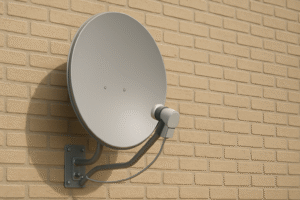
- A satellite dish
- An LNB head
- A receiver or CI+ module
- Clear view towards the satellite (usually Astra)
Benefits of Satellite TV in 2025
1. Huge range of international channels
Satellite TV is known for its large number of international channels. Think German, French, British, Turkish, or Arabic channels. Ideal for expats or international families.
2. Reliable image quality up to 4K
Because the signal isn’t dependent on the internet, the picture quality remains consistent. Sports channels, in particular, benefit from the high bitrate.
3. Perfect for outdoor areas
Do you live in an area without fiber optic or where cable coverage is limited? A satellite dish is often the best and most stable solution.
4. Independent TV reception
Provider outages, slow internet speeds, or peak traffic aren’t a problem. Satellite TV always works, as long as the dish is properly aligned.
5. Suitable for campsites, campers and holiday homes
Many people have a mobile dish so that they can watch the same channels on holiday as at home.
Disadvantages of satellite TV
1. Installation can be difficult
The dish needs to be precisely aligned. This can sometimes be difficult in apartments or densely populated areas.
2. Less flexible than streaming
With streaming services, you can watch anywhere via apps. With satellite TV, this is only possible with additional apps or CI+ modules.
3. Weather influences
Very heavy rainfall can sometimes temporarily disrupt the signal – although this is much less common with modern equipment.
4. Not an all-in-one solution
If you are used to having internet, telephone and TV in one package, satellite TV may seem like an extra.
Is satellite TV still interesting in 2025?
Yes – but especially for certain target groups:
- People in rural areas where cable or fiber optic access is limited
- Big TV enthusiasts with an interest in international channels
- Camping and camper owners
- Users who always want a stable TV signal
- Expats or people with a multilingual home situation
For those who mainly stream via Netflix, Disney+ or Videoland, a satellite dish installation is less necessary.
Conclusion
Satellite TV is certainly still an attractive option in 2025, especially if you live in a rural area, want a lot of international channels, or are looking for a stable and independent television service. Although streaming services are incredibly popular, satellite TV remains a reliable, high-quality, and often surprisingly affordable solution.


